Australian Recycling Label is being Changed-Thanks to Boomerang Alliance Supporters
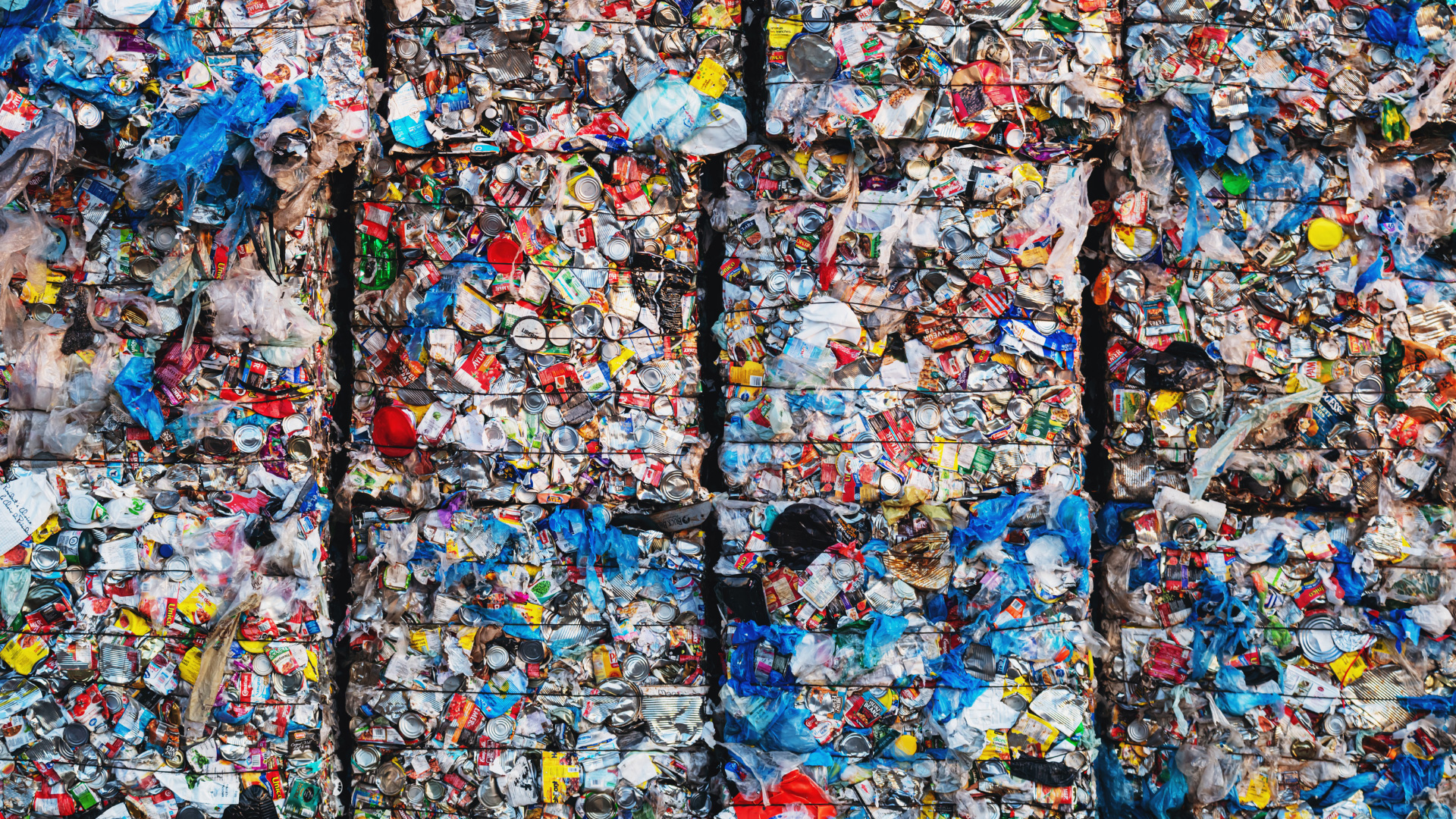
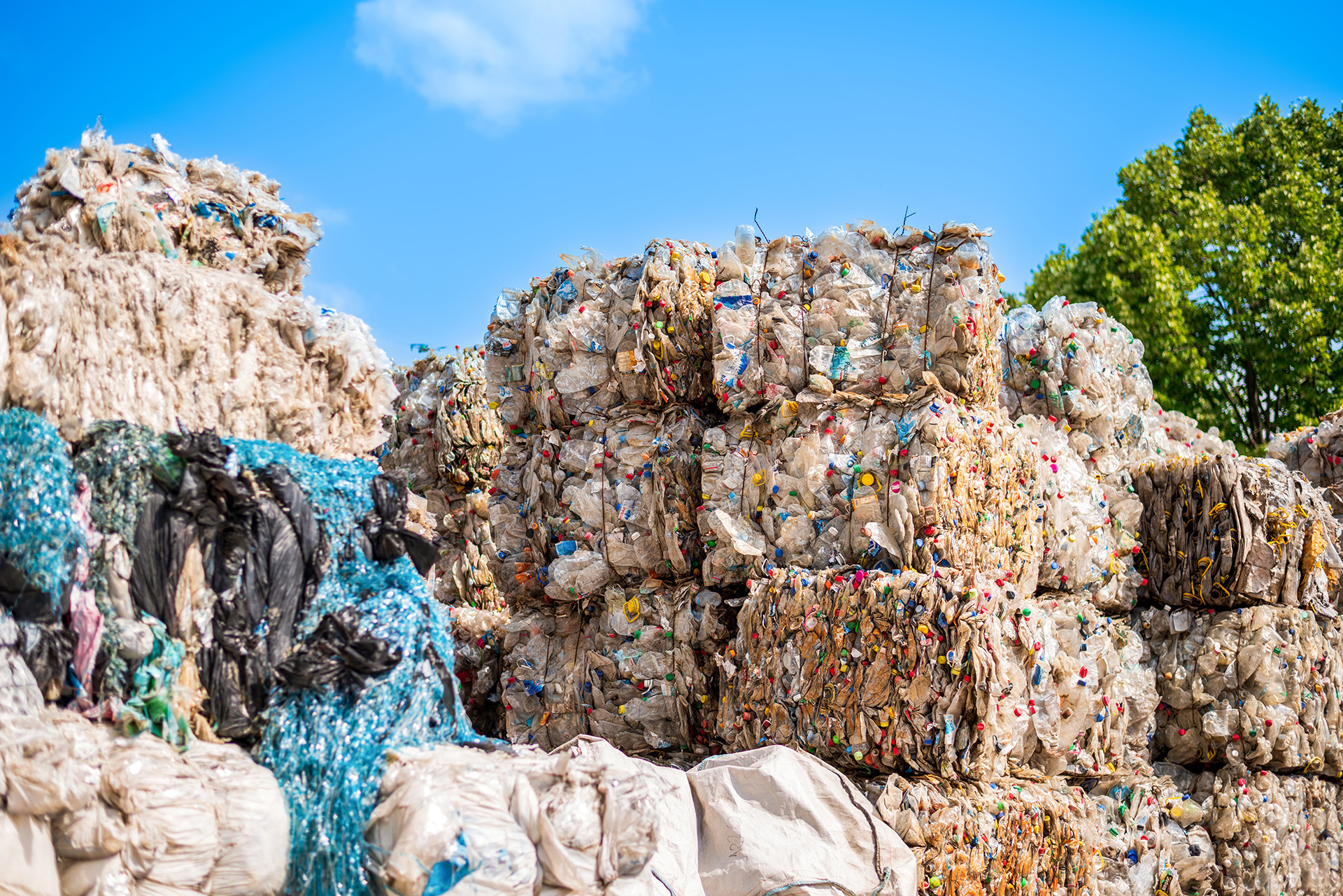
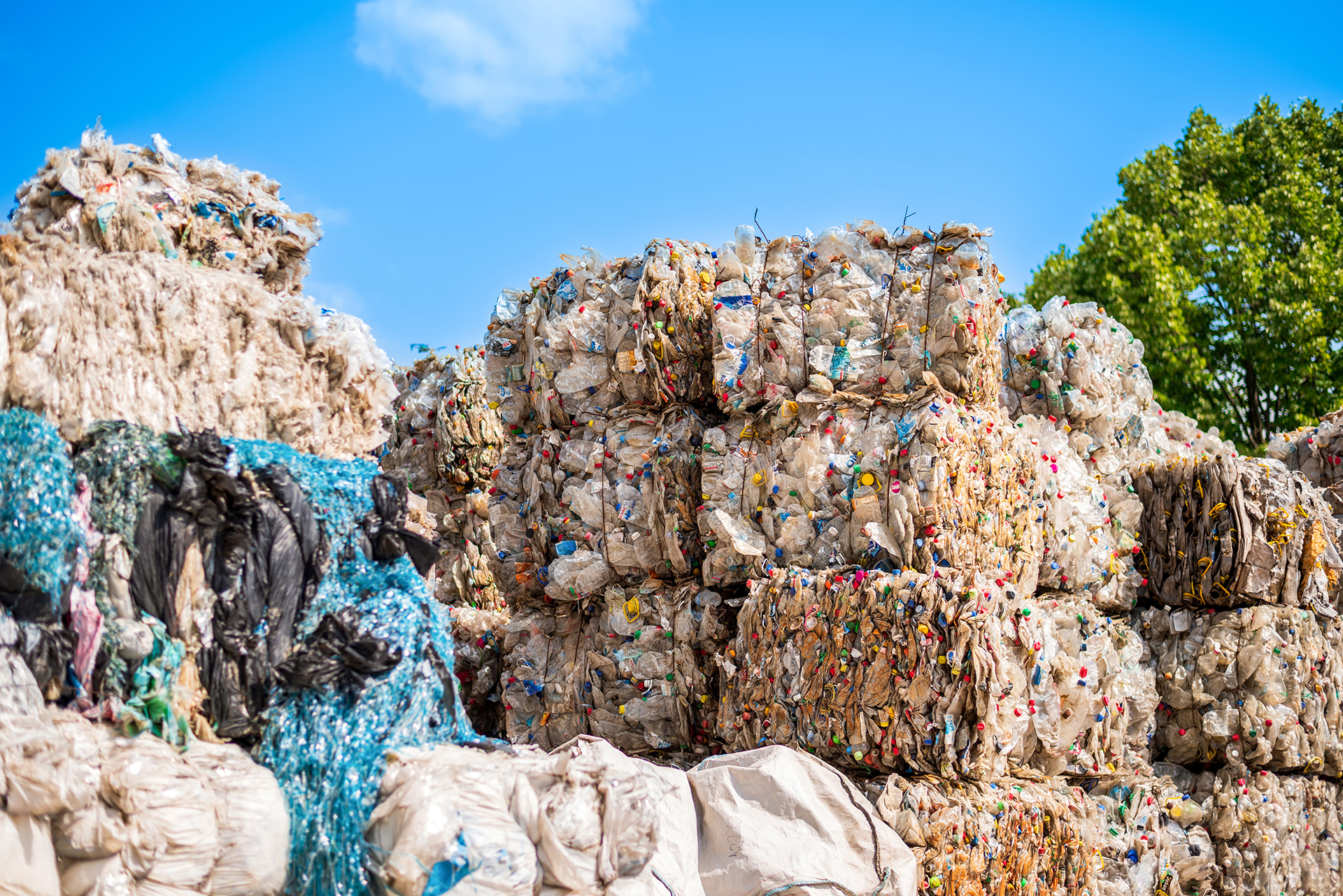
A big thank you to many of you for raising concerns about the misleading information on the Australian Recycling label (ARL). This is the label usually found on packaged products, in particular plastic wrapping of fresh fruit and vegetables.
For the past two years, since the REDCycle collapse, supermarkets have kept the Return to Store marking on the ARL, even though there was no in-store collection. In April, at the behest of many of you, we formally complained to the Federal Government, the ACCC and the packaging industry about this misleading label.
We are pleased to let you know that producers and suppliers have now been directed to remove this marking from the ARL. So, if you see it in your local supermarket, please take a photo and send us the details.
We have now followed up with a complaint about the Check Locally marking some soft plastic wrapping is now using. This marking is inferring there are recyclers who can recycle soft plastics in your area. However, the website the Check Locally marking directs us to, states, 'Please note that the majority of soft plastics searches will currently recommend landfill for your packaging!
We have sought the removal of this marking until in-store or curbside collection services are available around the country.
We note that the ARL was originally introduced to provide consumers with accurate and useful information about their recycling options. Perhaps producers and suppliers should remember that intention.


Global Plastic Treaty an Update
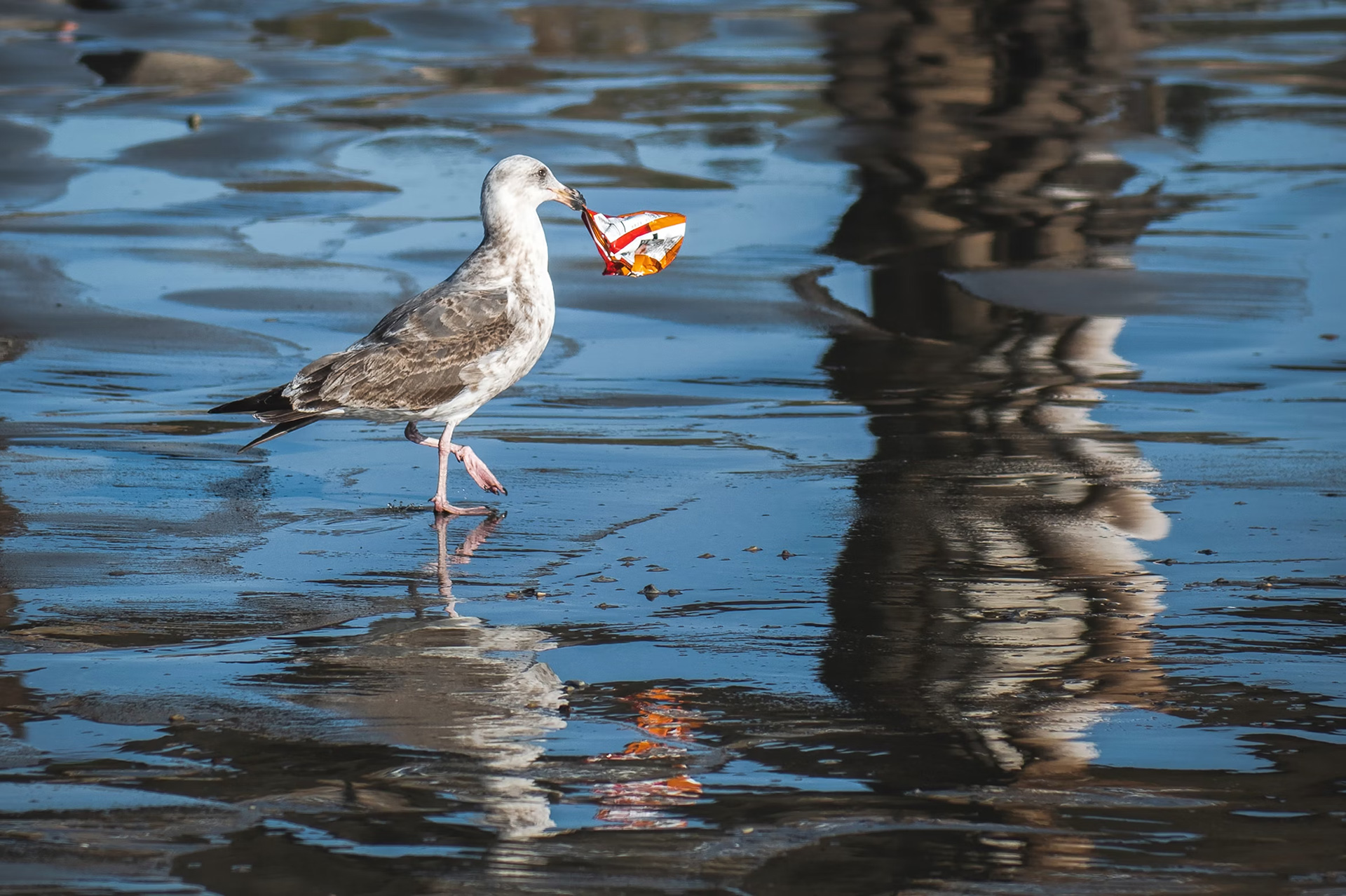
The most recent negotiation session for a global marine plastic treaty (Ottawa, Canada 23-29 April 2024) was frustrating and disappointing for many delegates hoping for more progress on an international agreement. That lack of progress stems from the major plastics industries, and a bloc of nations opposing common global rules.
Kate Noble from WWF who attended the meeting has told us that, 'vested economic interests are playing out in these negotiations in a major way. The value of plastics traded globally is estimated by the UN at more than $USD 1 trillion, with rapid annual growth. So oil and petrochemical companies - and countries heavily dependent on oil and gas revenue - are fighting hard in this process to protect profits through growth in plastic production, as other sectors decarbonise.'
A significant majority of countries - more than 100 - are quite aligned in pushing for global rules to ban, phase out and/or regulate the most polluting plastic products and the most harmful chemicals in plastics. And a significant number - including Australia - are engaging in good faith negotiations on how the treaty can reduce plastic production to sustainable measures, as well as possible trade measures.
UN member states are now working towards the final negotiation session scheduled for Busan (South Korea) in November/December 2024. It was intended that this would be the last session before the signing of an international agreement. This may not be the case now.
Australia is amongst the progressive countries who want effective solutions with common global rules. The Boomerang Alliance commends the Australian Government and its delegation for taking this position.
Kate Noble adds that "Australia is playing a very constructive role in negotiations that goes beyond its role as a UN member state. Australia's Kate Lynch has stepped into a high-level coordination role within the negotiations, co-chairing negotiation of the financial package and obligations which will be critical to effective implementation of the treaty in the years to come.'
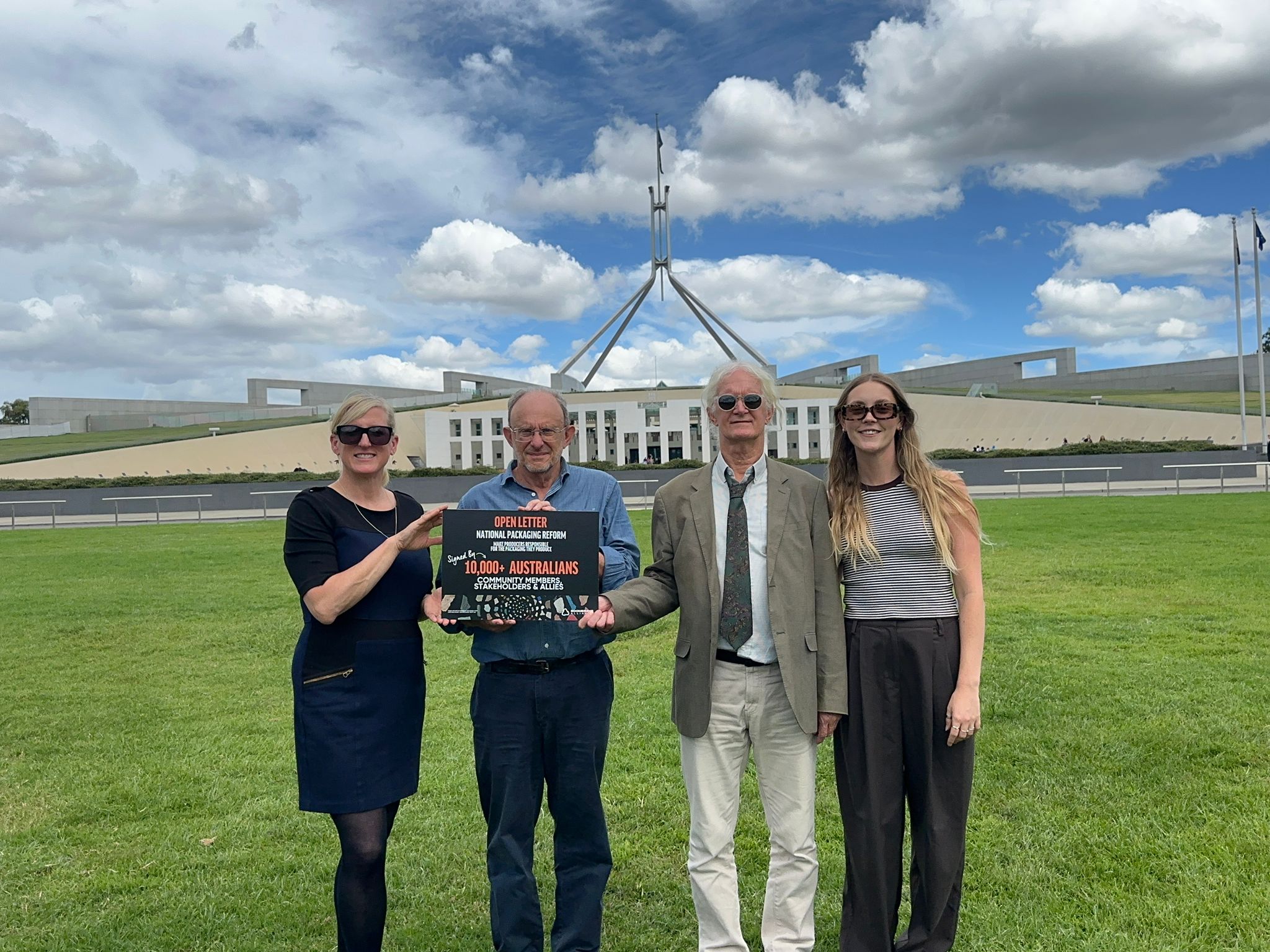
Please Note: In Australia, the Boomerang Alliance is currently lobbying the Commonwealth Government to introduce a Product Stewardship Scheme for Packaging that will make producers responsible for their packaging. Such a scheme would set an example to the rest of the world on how to manage problem plastic packaging and avoid waste and litter. It would be a practical demonstration of Australia's commitment towards ending plastic pollution.
In a nutshell: What the Boomerang Alliance wants
- Legally binding common and global rules that will change the way plastics are managed in our economies to avoid unnecessary consumption and eliminate waste and pollution
- Introduced Circular Economy measures that make producers responsible for the products they place into the market through their entire lifecycle
- Prioritising action on the types of plastic most likely to be wasted or littered
- Support for fair and equitable global action by providing the means (where it is needed) for all nations to transition away from problematic plastics that impact people and the environment
The Boomerang Alliance calls on Senate to support a National Circular Economy
In its submission to the Senate Inquiry on Commonwealth waste and recycling policies, the Boomerang Alliance has called for Commonwealth action to fix national waste laws.
The only way to reduce and eliminate waste is to abandon the linear economy model of make-use-throwaway and switch to a circular economy approach. The best way to achieve this is for producers of products to be responsible for their products through their entire lifecycle, not just when they manufacture them.
The Boomerang Alliance has called for:
- A national circular economy policy framework and its regulated adoption by all States and Territories.
- All existing and future product stewardship schemes are to be mandatory schemes.
- Commonwealth policies are to be aligned with State and Territory bans on particular products and landfill disposal, and the promotion of reuse of resources.

Soft Plastics Action
The soft plastics producers and retailers are gearing up to propose a product stewardship scheme. Some useful research was released at the National Soft Plastics Summit on 25 September including about the use of special kerbside collections for household soft plastics to replace the failed REDcycle scheme.
National Soft Plastics Summit: Producers and Retailers urged to fastrack solution
The Boomerang Alliance has today challenged the packaging industry to take full responsibility, implement effective collections and pay for the costs of soft plastic waste and pollution.
Read moreNational Packaging Solution: Producers mandated to take full responsibility for waste & pollution
The Boomerang Alliance has today challenged the packaging industry to take full responsibility and pay for the costs of its waste and pollution decisions and urges the government to regulate the sector, with the release of its model guidelines for a best practice Product Stewardship Scheme for Packaging.
Read moreContainer Refund Scheme must be expanded
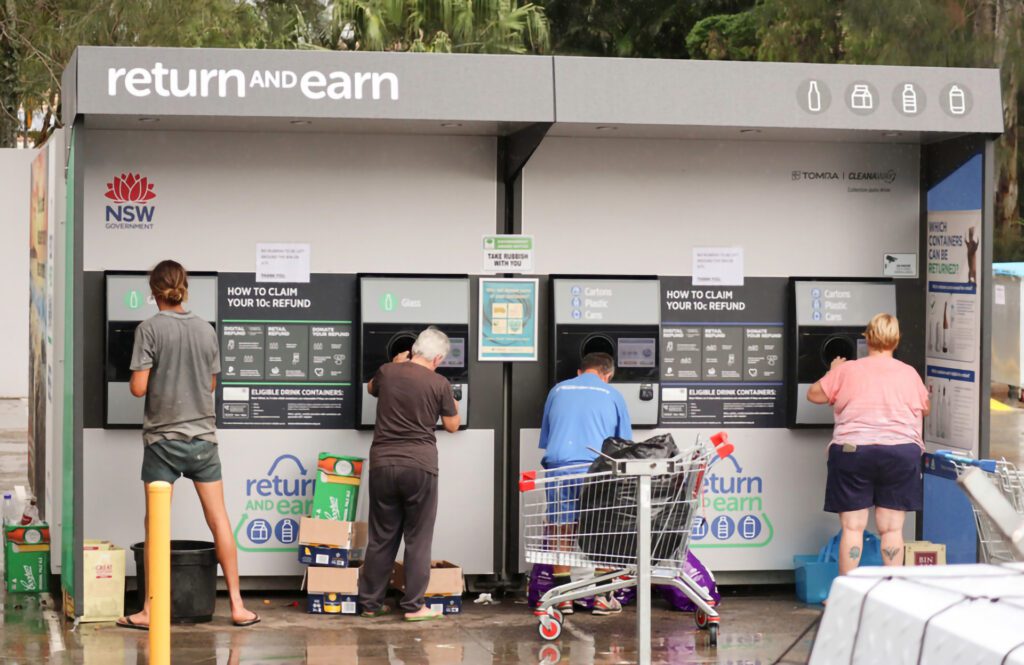
With the NSW container refund scheme (CRS), Return & Earn about to recover its 10billionth beverage container, environmental groups are calling for the state government to move on including wine, spirit and other containers in the successful recycling program.
Read moreQueensland bans Heavyweight plastic bags and other problem plastics

From today 1 September, plastic stemmed cotton buds, plastic microbeads and polystyrene loose fill packaging will be banned in Queensland. The plastics used in these products are all problem wastes and alternatives exist for all these items. It will be interesting to see how the loose fill polystyrene packaging rules work, given that these are not national requirements. Certainly suppliers in Queensland will not be able to use polystyrene for Queensland customers.
Read moreTime for the Reuse Revolution in Australia
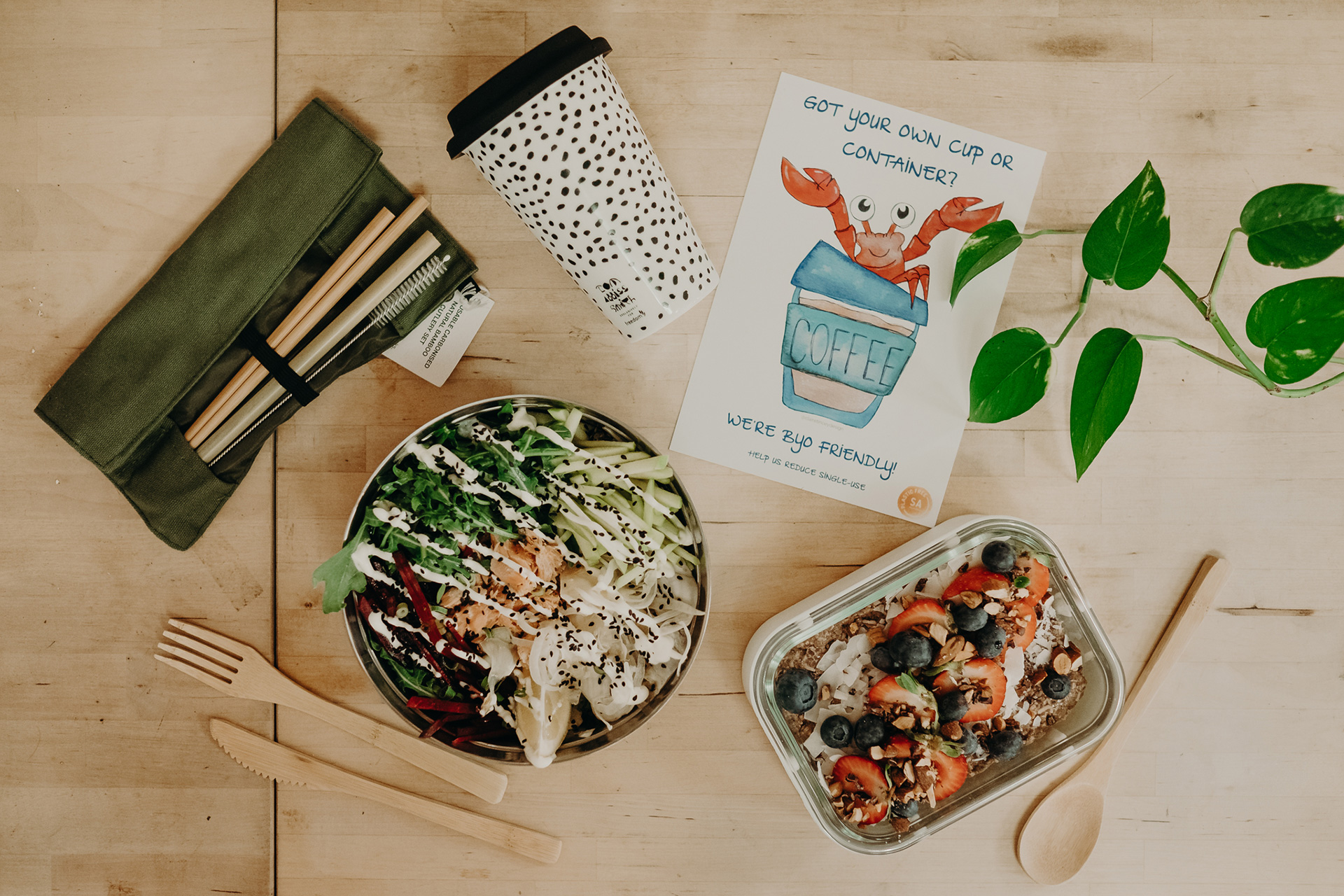
The Boomerang Alliance has released its Choosing to Reuse In Australia Report. Our organisation is calling for a rapid increase in the use of reusable packaging to reduce plastic pollution and carbon emissions. The report outlines the many opportunities that are currently available, particularly for takeaway services, and just waiting for government and business support.
Mandatory Packaging Targets Can Turn Australia’s Tide on Plastic
In a historic agreement, Australia’s Environment Ministers have committed to introducing mandatory packaging waste recovery targets, which could transform Australia’s packaging landscape. Reducing and recycling plastic packaging will no longer be a matter of voluntary or co-regulatory action.
Read more